
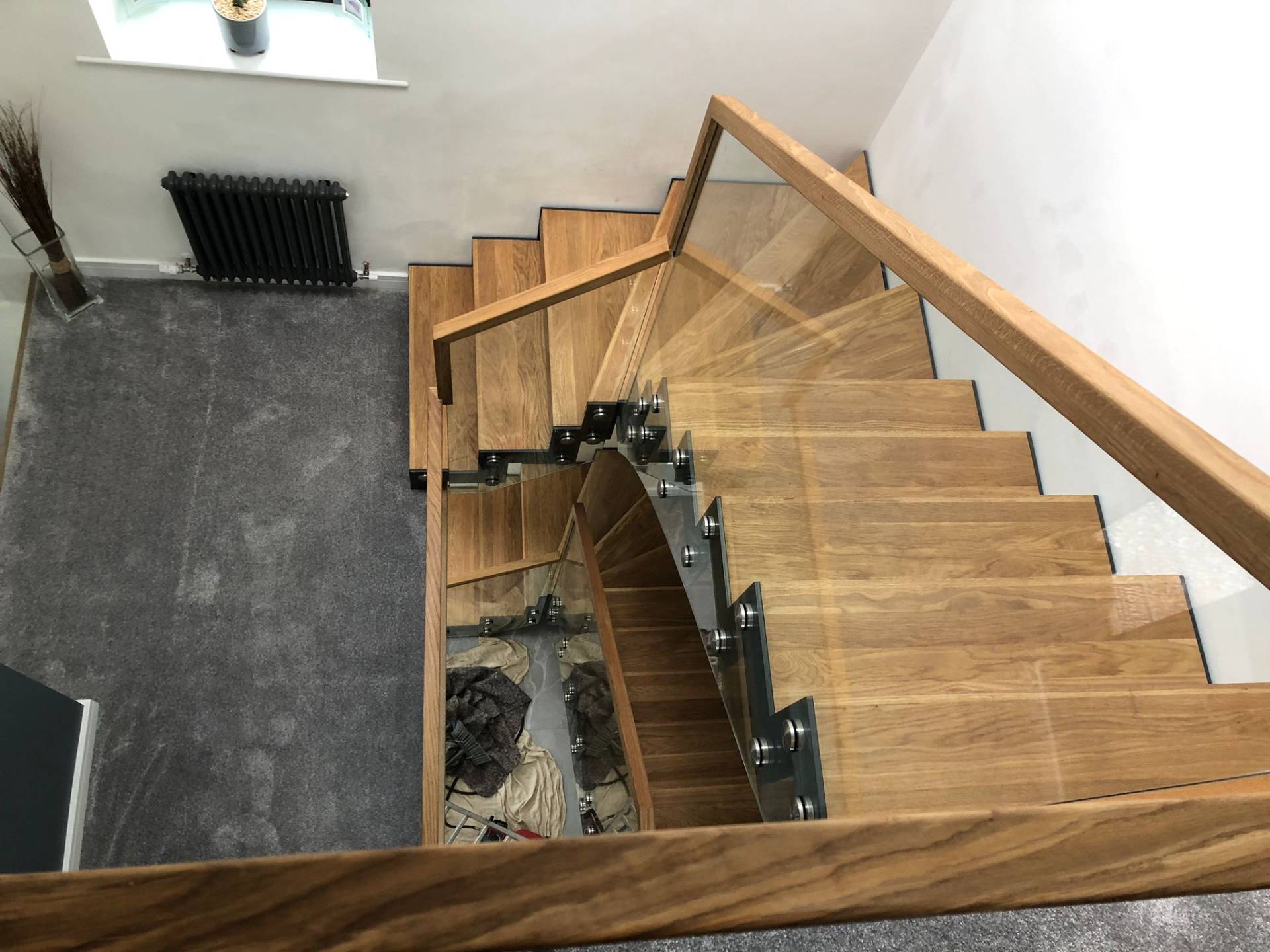
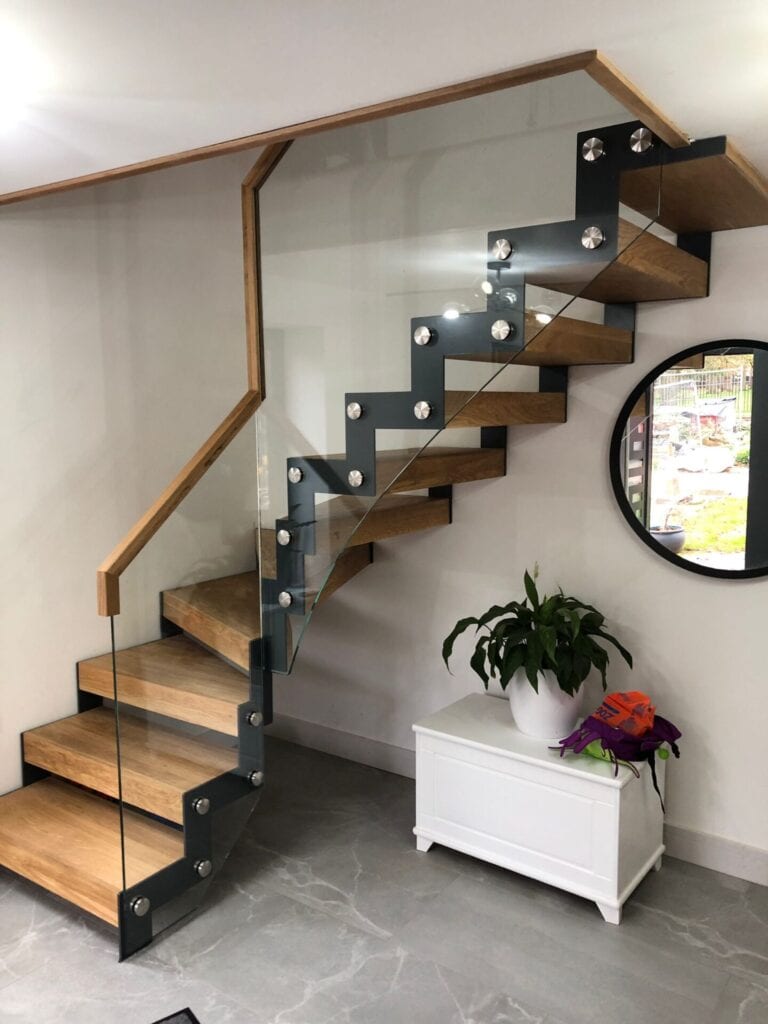
A zig zag staircase is a staircase with a shaped side string that follows the line of each tread and riser. This creates a bold stepped profile with clean angles and a strong architectural look.
This style works well in modern homes, commercial interiors and renovation projects where the staircase needs to become a clear design feature. Instead of hiding the structure, a zig zag staircase makes the side profile part of the visual detail.
Each staircase should be planned around the space, the floor levels, the preferred materials and the way the stairs will be used every day. With the right design, it can feel sharp, modern and practical without looking too heavy.
Zig Zag Staircase Design
Zig zag staircase design starts with the layout. The stair opening, floor-to-floor height, headroom, pitch and landing positions all affect the final shape of the staircase.
The string profile then follows the rise and fall of the stairs. This gives the staircase its stepped outline and helps create a more geometric finish than a standard straight string staircase.
Common design options include:
- Timber treads in oak, walnut or other hardwood finishes
- Powder-coated steel strings in a chosen RAL colour
- Open-riser layouts for a lighter appearance
- Glass balustrades for a clean, modern finish
- Metal spindles or railings for a stronger visual line
- Matching handrails in timber, steel or stainless steel
A well-planned zig zag staircase design should look striking but still feel balanced within the wider room. The finish, balustrade and tread choice all play a key role in this.
Our Design and Planning Process
Initial Review
Every zig zag staircase project starts with a clear review of the site and staircase requirements. This helps identify the main design and technical points before drawings begin.
At this stage, we review the available space, the floor levels, the stair position and the surrounding structure. We also look at balustrade details, fixing points, material choices and any site access limits.
Typical considerations include:
- Staircase size and position
- Floor-to-floor height
- Wall, floor and landing connections
- Open or closed riser options
- Balustrade style and fixing method
- Tread material and finish
- Steel colour and coating
- Installation access and sequencing
This early review helps make the project easier to manage. It also gives a clearer route from design through to manufacture and installation.
3D Design Development
Once the main details are agreed, the staircase design can be developed with drawings and 3D visuals. These help show the shape, proportions and finish before manufacture starts.
This stage is useful for comparing options. A small change to the tread finish, glass detail or steel colour can alter the whole feel of the staircase.
3D design also helps coordinate the staircase with flooring, walls, glazing and other interior features. This reduces the risk of late changes and gives the project team a clearer view of the finished result.
Technical Coordination
A zig zag staircase needs accurate coordination between design, structure and installation. The steel string must follow the stair geometry correctly, while the treads and balustrade need to fit neatly into the full design.
Where required, we can work with builders, architects, interior designers or structural engineers. This helps ensure the drawings match site conditions before fabrication begins.
Clear technical planning also supports Building Control requirements. This may include details such as stair pitch, rise, going, handrail height, guarding and open-riser compliance.
Zig Zag Staircase Manufacture
Each zig zag staircase is manufactured to approved drawings. This allows the dimensions, steelwork, tread details and finish specification to be checked before production.
The side strings are fabricated to create the stepped profile. The finish is then applied in line with the project specification. Powder coating is a popular choice because it allows the steel to suit the interior scheme.
Before delivery, the main details are checked so the staircase is ready for installation. This includes reviewing the fit, the finish and any parts that need to be coordinated on site.
Installation and Site Support
Installing a zig zag staircase requires careful setting out. The staircase must align with the floor levels, landing points and surrounding finishes.
Our team can install zig zag staircases across the UK. We can also support competent site teams where a managed self-install route is more suitable.
During installation, the focus is on accurate positioning, secure fixing and clean finishing. Good site coordination helps prevent delays and keeps the wider project moving in the right order.
Zig Zag Staircase Cost
Zig zag staircase cost depends on the size, layout, materials and finish detail. A simple straight flight with painted steel and timber treads will usually cost less than a larger staircase with landings, glass balustrades and integrated lighting.
The main cost factors include:
- Staircase height and overall size
- Straight, turning or landing layout
- Steel string complexity
- Open or closed riser construction
- Tread material and thickness
- Balustrade type and glass specification
- Powder coating or specialist finishes
- Installation access and site location
Any lighting or bespoke detailing
Because each project is made to order, zig zag staircase cost is best confirmed after the design review. This allows the quotation to reflect the actual layout, specification and site requirements.
We provide clear pricing once the key details are known, so you can plan the staircase as part of the wider project budget.
Zig Zag Staircases Compared to Other Stair Types
Zig zag staircases sit within the wider side-string staircase family. The main difference is the profile of the outer string.
Other alternatives include:
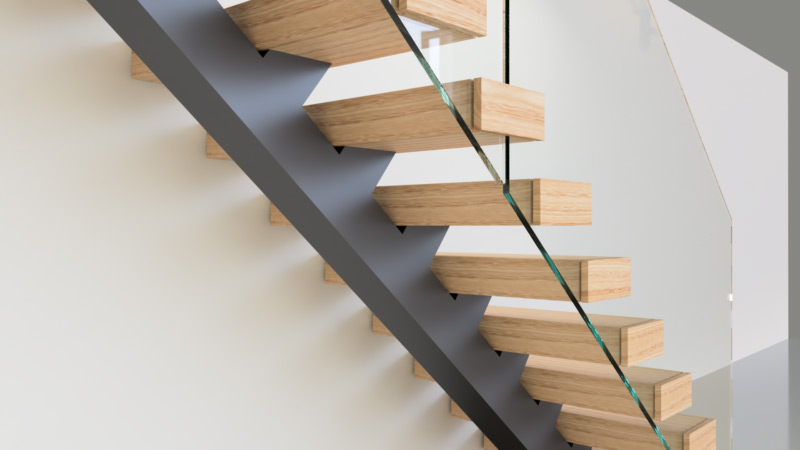
- Centre spine staircases, where the treads are supported from a central beam
- Cut string staircases, where the string follows the tread shape in a traditional style
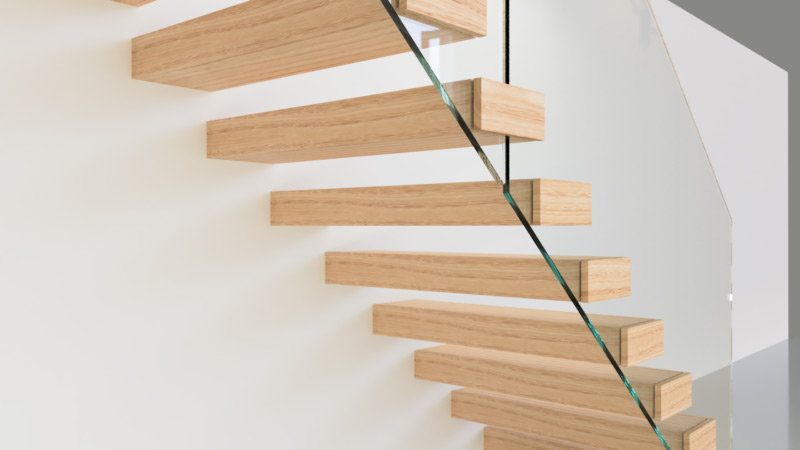
- Cantilever staircases, where treads appear to float from the wall
Comparing these options helps identify the best staircase for the space, structure and interior style.
Zigzag String Staircases FAQ
Answers to common questions on design, specification, lead time and installation for zigzag string staircases.
If you need project-specific advice, use our contact page and we will guide you through the best route.
Can zigzag still look clean rather than industrial?
Yes. Simple balustrade lines, tidy weld finishing and a calm colour choice can make a zigzag staircase look very clean and architectural.
Can you pair zigzag with glass?
Yes. We can specify 12mm or 17.5mm laminated glass and match the handrail or fixing detail to the design.
What is the difference between zigzag, straight string and cut string stairs?
They are the same side-string family in principle. The main difference is the outer string profile and visual style.
Can LED feeds be hidden on a zigzag string staircase?
Sometimes, but not always. We review the steel profile, tread build-up and lighting detail before confirming what can be concealed.
Can I choose any RAL colour for a zigzag string stair?
Yes. The steelwork can be powder coated in any RAL colour, which is a major part of the final look.
Is a zigzag string staircase suitable for open-riser layouts?
Yes, often very suitable, subject to the final project-specific design and Building Control requirements.
Staircase style selector
CANTILEVER
CENTRE SPINE
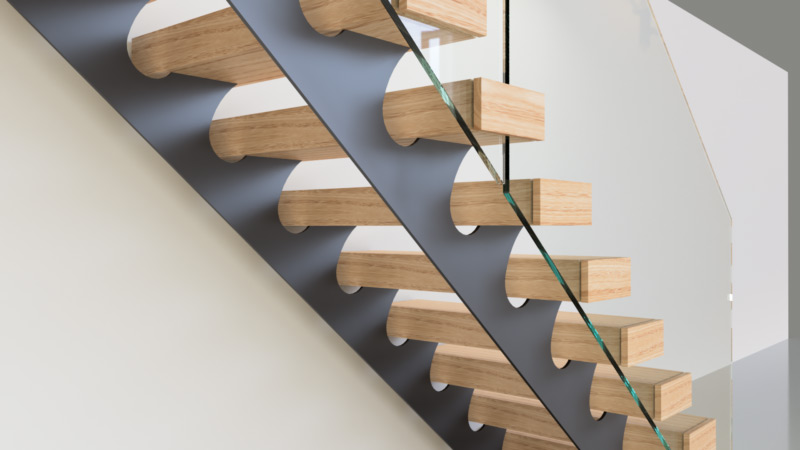
INBOARD STRING
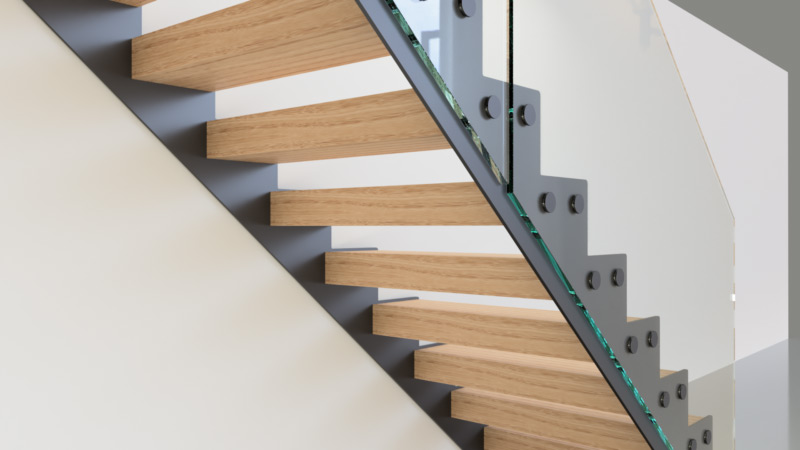
CUT STRING
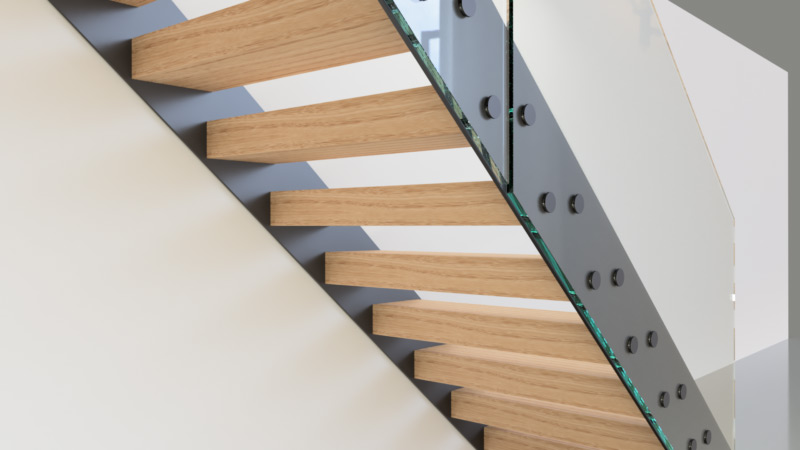
STRAIGHT STRING
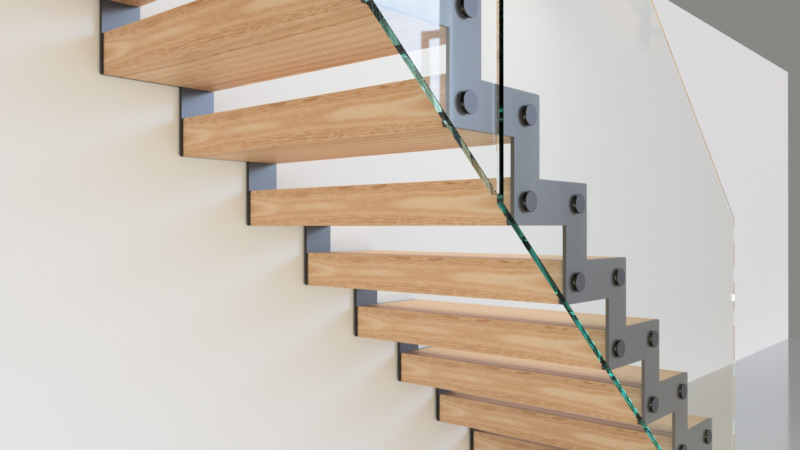
ZIGZAG STRING
Brochure request
Contact us
Call us on 01760 788 491
Email hello@ukstairs.co.uk
We have full product insurance and public liability.
VAT Reg. No: 255 3970 83