
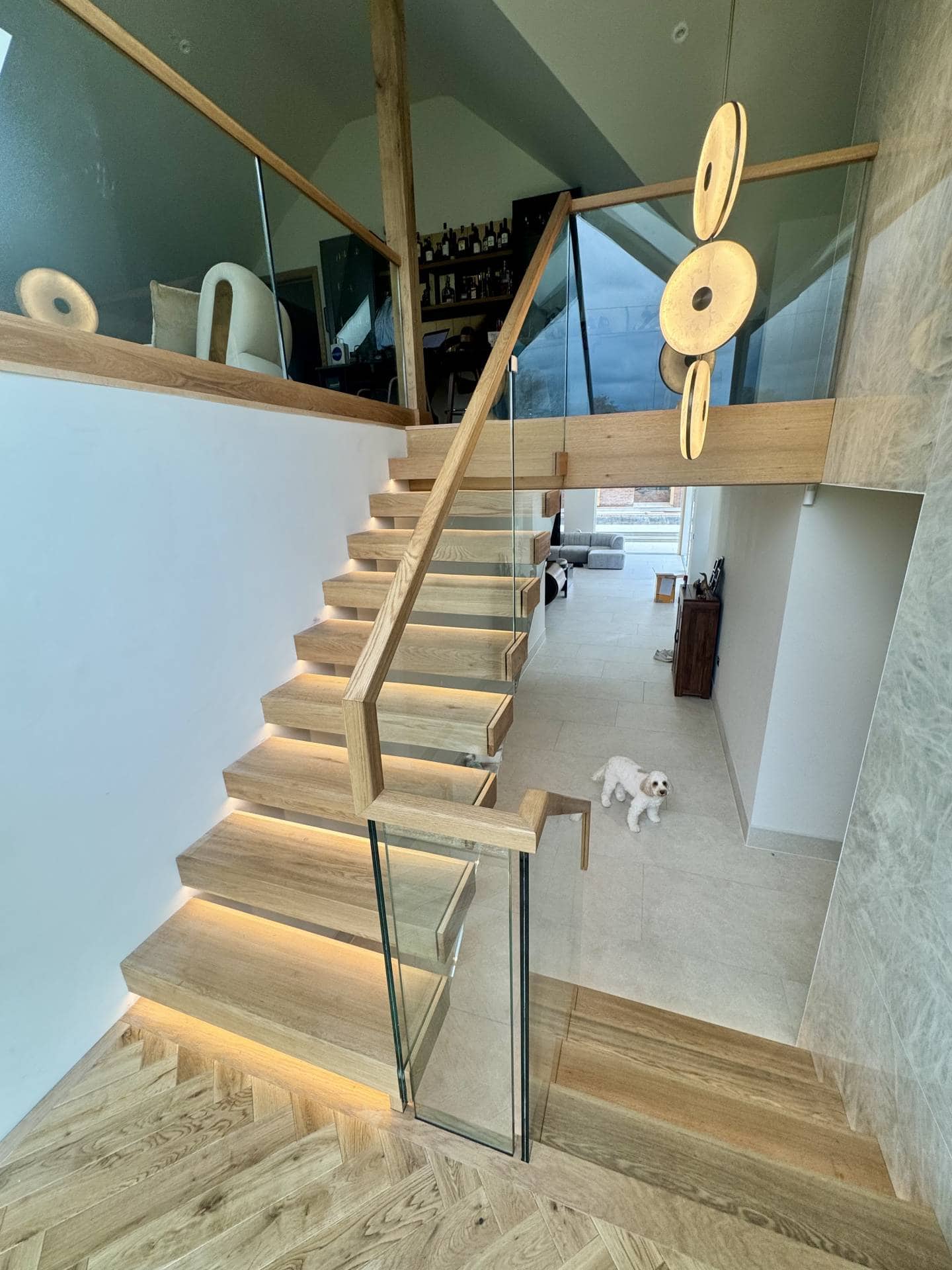
A cantilever staircase is a staircase system where each tread is fixed directly into a supporting wall, creating a floating effect with no visible stringers or structural supports.
This approach is often used in modern interiors where a clean, minimal appearance is required. Because the structure is concealed, cantilever stairs allow light and space to flow more freely compared to traditional staircase designs.
Every cantilever staircase must be planned around the wall construction and load requirements. This makes early coordination essential to ensure the design is both visually effective and structurally sound.
Cantilever Staircase Design
Designed and installed by UK Stairs, made in Thetford for homes across East Anglia and the Midlands.
Cantilever staircase design begins with the structure rather than the finish. The wall must be capable of supporting the loads transferred through each tread, which is why input from a structural engineer is often required.
Once the structural approach is defined, the design can be developed to suit the overall interior.
Common design options include:
- Timber treads in a range of hardwood finishes
- Cantilever stone staircase solutions for a more solid architectural look
- Frameless glass balustrades to maintain the floating effect
- Slimline handrails in timber or metal
- Discreet lighting integrated beneath the treads
- Wall finishes designed to complement the staircase detail
A well-resolved cantilever staircase design combines structural precision with a refined visual outcome.

Our Design and Planning Process
Initial Review
Each cantilever staircase project starts with a focused technical review. This stage is used to assess whether the wall structure can support cantilever stairs and what level of preparation is required.
We examine layout constraints, fixing zones, and how the staircase connects to the surrounding structure.
Typical considerations include:
- Wall type and required reinforcement
- Stair proportions and positioning
- Balustrade fixing methods
Finish direction and material selection - Project timeline and sequencing
By resolving these points early, the cantilever staircase construction process becomes more predictable.
3D Design Development
Following the initial review, we develop detailed drawings and visual models. These allow the staircase layout, proportions, and finishes to be tested before manufacture.
This stage also helps coordinate the staircase with other elements such as flooring, glazing, and wall finishes.
Clear design development reduces the risk of changes once fabrication has started.
Cantilever Staircase Construction
Cantilever staircase construction relies on accurate engineering and controlled fabrication. Each tread must be designed to transfer loads safely back into the supporting structure.
Unlike other staircase types, there is no visible supporting frame, so precision is critical.
Where required, we work alongside a structural engineer to verify calculations and ensure compliance with building regulations.
Installation and Site Coordination
Installing a cantilever staircase requires careful sequencing, particularly where wall preparation and finishes are involved.
Our team manages the installation process to ensure each tread is positioned correctly and fixed securely into the prepared structure.
We also support site teams where installation is carried out under guidance, ensuring the staircase performs as intended.
Why Choose a Cantilever Staircase?
A cantilever staircase offers a distinct alternative to more traditional staircase structures.
Its main advantages include:
- a floating appearance with no visible structural supports
- efficient use of space with minimal visual obstruction
- compatibility with modern architectural layouts
- flexibility in material and finish selection
- strong performance when correctly engineered
For projects where simplicity and precision are key, cantilever stairs provide a highly effective solution.
Cantilever Staircases Compared to Other Stair Types
Cantilever staircases are structurally different from many other staircase systems, which makes comparison an important part of the design process.
Alternative staircase types include:
- Centre spine staircases, which support treads from a central beam
- Cut string staircases, where the structure is visible along the sides
- Inboard staircases, a lighter visual line while keeping a strong steel-led structure
Understanding how these options differ helps determine the most suitable staircase construction method for each project.
Cantilever Staircases FAQ
Answers to common questions on design, specification, lead time and installation for cantilever staircases.
If you need project-specific advice, use our contact page and we will guide you through the best route.
Can you fit cantilever stairs to a stud wall?
Yes, in many cases, if the wall is reinforced correctly. We confirm this after checking the wall build-up, fixing zones and staircase layout.
Why do you recommend 17.5mm glass and a handrail?
The heavier laminated glass increases stiffness and helps tie the stair together. A handrail also helps align the panels and reduces movement.
What are cantilever stairs?
Cantilever stairs are individual treads fixed into a structural wall, creating a floating staircase without visible supports.
Do you need steelwork hidden inside the wall in your cantilever system?
No. Our system does not require steelwork inside the wall, but the wall structure or reinforcement still needs to be suitable.
What do you need before quoting a cantilever stair?
Photos, basic dimensions, wall build-up details and your preferred balustrade style are a strong start. We then confirm what else is needed.
Does a cantilever staircase need a structural engineer?
In most cases, yes. A structural engineer is required to confirm that the wall and fixing method can safely support the staircase loads.
Is a cantilever staircase safe?
Yes. When designed, engineered, and installed correctly, a cantilever staircase is stable and compliant with building regulations.
Staircase style selector
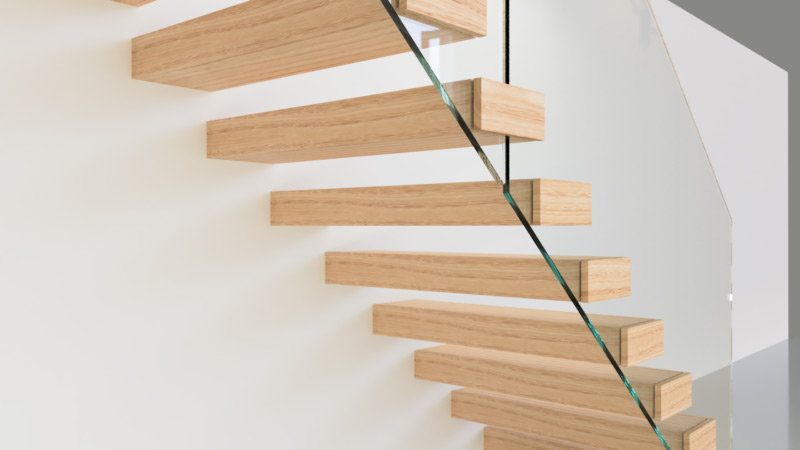
CANTILEVER
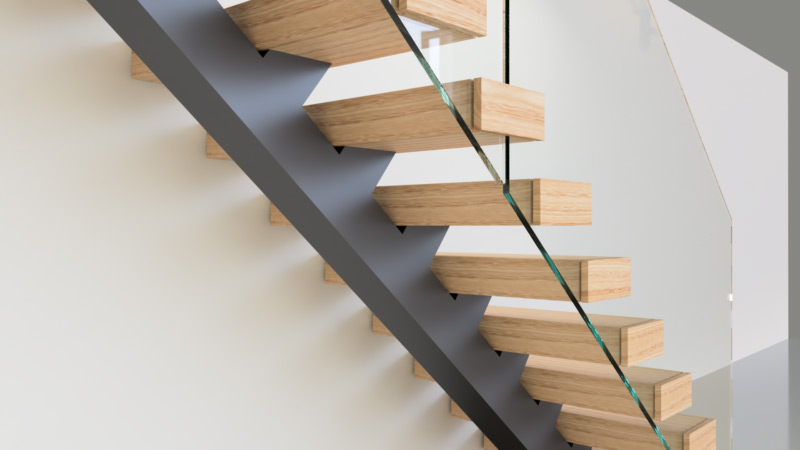
CENTRE SPINE
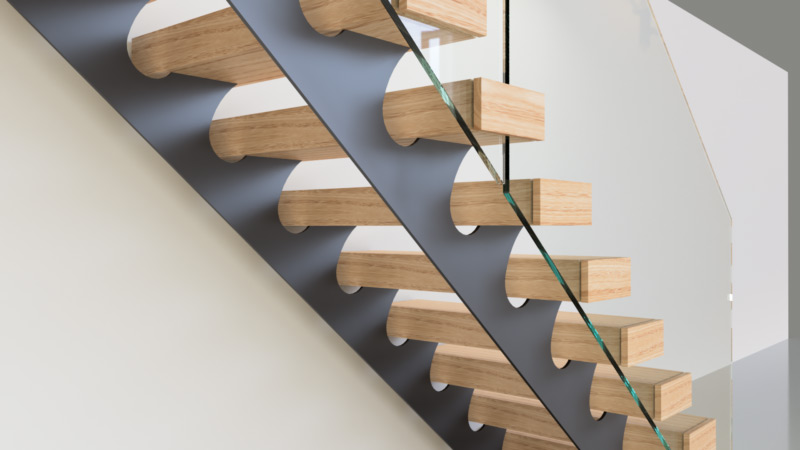
INBOARD STRING
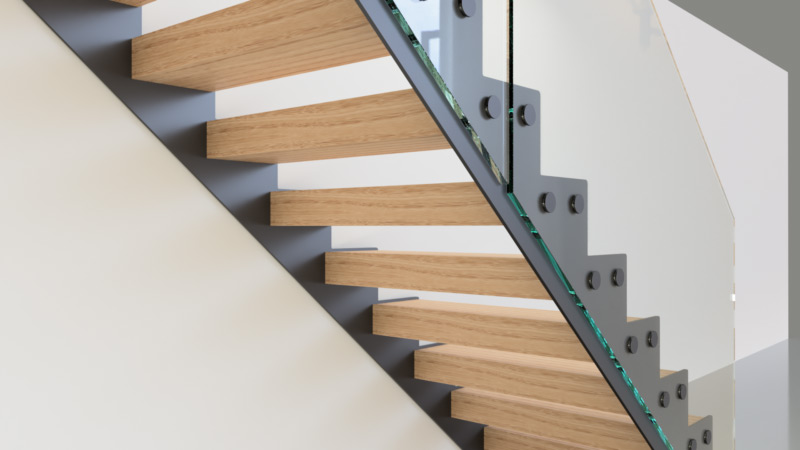
CUT STRING
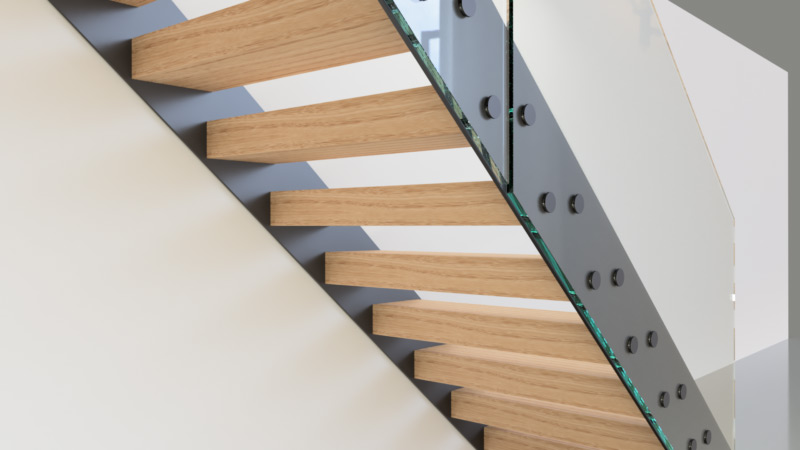
STRAIGHT STRING
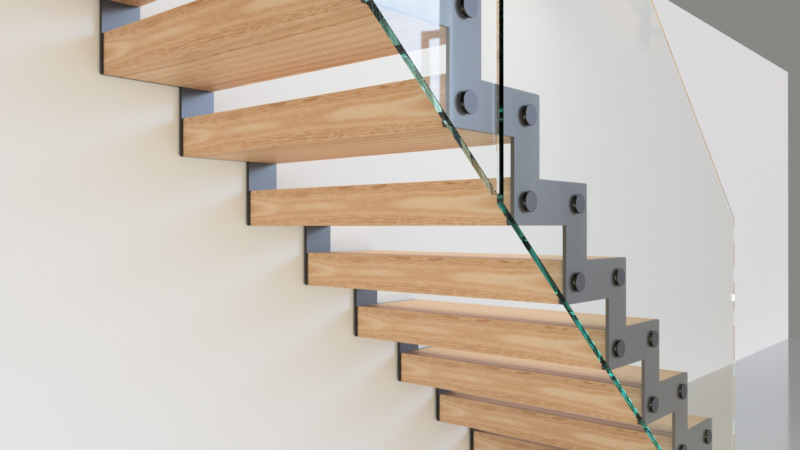
ZIGZAG STRING
Brochure request
Contact us
Call us on 01760 788 491
Email hello@ukstairs.co.uk
We have full product insurance and public liability.
VAT Reg. No: 255 3970 83